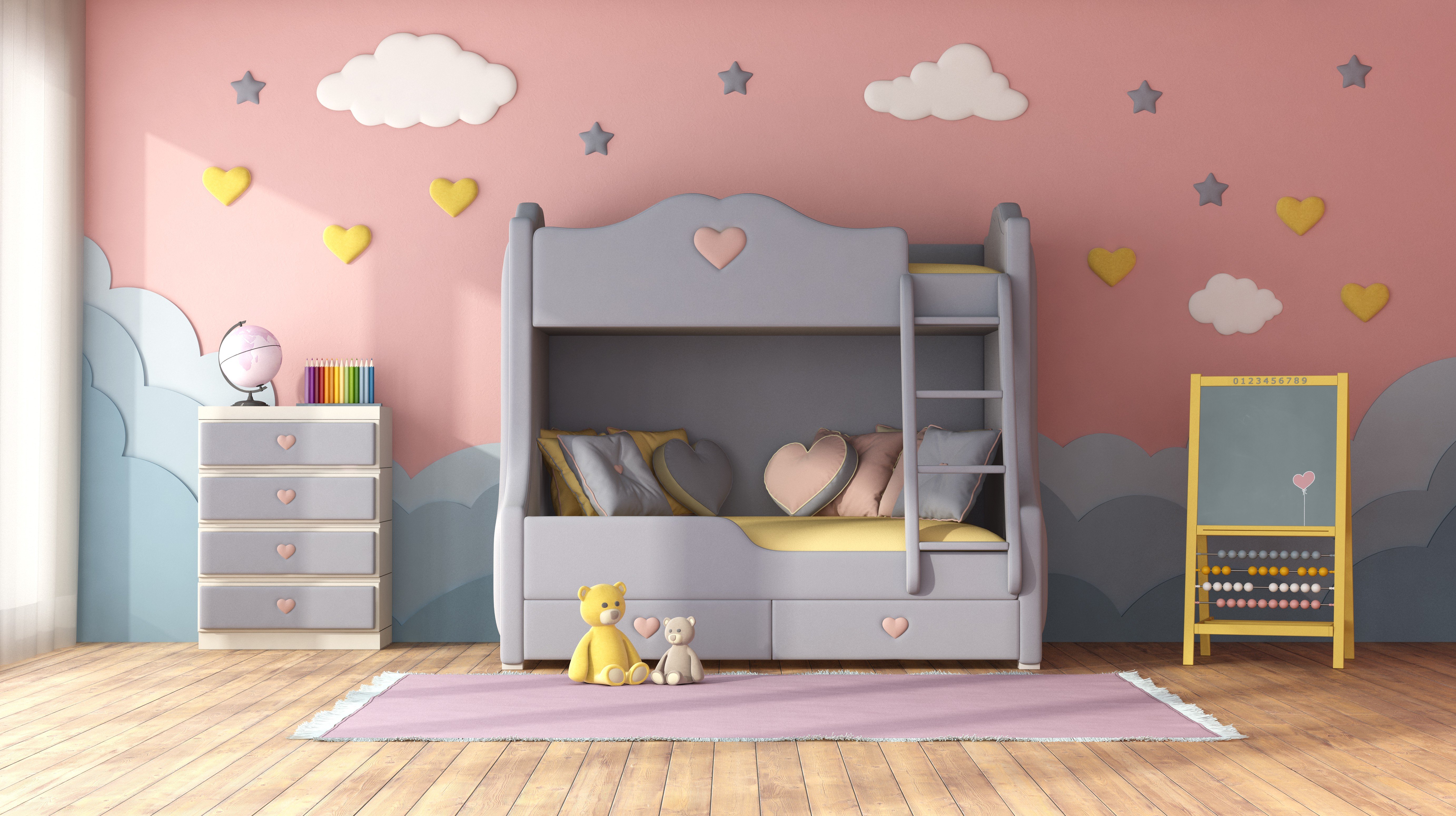
The Ultimate Guide to Children's Bunk Beds: Safety, Style, and Functionality
Bunk beds have been a staple in children's bedrooms for generations, offering a space-saving option that is both functional and enjoyable. They are especially popular in homes with minimal space or for brother or sisters who share a space. However, choosing the ideal bunk bed includes more than simply selecting a style that looks good. Security, durability, and viability for the children's age and activities are all critical elements to consider. This guide will supply a comprehensive overview of children's bunk beds, including their benefits, safety factors to consider, and suggestions for selection and upkeep.
The Benefits of Bunk Beds for Children
- Space Efficiency: Bunk beds are an exceptional service for small bedrooms or homes with restricted space. By using vertical area, they enable more flooring location, which can be utilized for backyard, desks, or additional storage.
- Economical: Purchasing a single bunk bed can be more affordable than buying 2 different beds, particularly when considering the cost of bed mattress and bed linen.
- Promotes Independence: Bunk beds can assist older children develop a sense of self-reliance and obligation. Assigning the leading bunk to an older child can motivate them to be more self-reliant and look after their personal area.
- Boosts Bonding: For siblings, sharing a bunk bed can promote a sense of sociability and shared experiences. It can also assist in resolving disputes and mentor important life abilities.
- Flexible Designs: Modern bunk beds can be found in a range of designs, from conventional to modern, and can be customized to fit any room decor. Some even offer extra functions like built-in desks, drawers, and bookshelves.
Safety Considerations
While bunk beds use numerous benefits, safety ought to constantly be the leading priority. Here are some crucial safety factors to consider:
- Age Appropriateness: The American Academy of Pediatrics (AAP) recommends that children under 6 years old should not oversleep the leading bunk due to the threat of falls. Ensure that the bed is appropriate for the age and size of the children who will be using it.
- Guardrails: Guardrails are vital for preventing falls from the top bunk. They need to be firmly attached and high enough to avoid a child from rolling over them. The AAP advises that guardrails ought to be at least 5 inches above the bed mattress when the mattress is completely compressed.
- Tough Construction: Choose a bunk bed made from premium materials and with a tough building and construction. Search for beds with strengthened joints and a weight capacity that surpasses the combined weight of the children and any extra items on the bed.
- Mattress Size and Fit: Ensure that the mattress fits snugly within the frame to prevent spaces where a child might get stuck. The bed mattress needs to also be the correct size for the bed to guarantee safety and convenience.
- Regular Inspections: Regularly examine the bunk bed for any signs of wear and tear, loose screws, or harmed parts. Deal with any issues immediately to keep the bed's safety.
- Proper Assembly: Follow the maker's directions carefully when assembling the bunk bed. If possible, have two grownups assist with the assembly to make sure that all parts are safely fastened.
Selecting the Right Bunk Bed
When selecting a bunk bed for your children, think about the following factors:
- Material: Bunk beds can be made from various products, consisting of wood, metal, and composite products. Wood is a popular choice for its toughness and aesthetic appeal, while metal beds are understood for their strength and resistance to wear.
- Design: Choose a style that fits the room's decor and meets the children's requirements. Some popular styles consist of standard ladder-style beds, loft beds with integrated desks, and bunk beds with drawers or storage compartments.
- Size: Measure the space and the bed to guarantee it fits conveniently. Consider the height of the ceiling and the area needed for motion around the bed.
- Additional Features: Look for beds with features that boost performance, such as integrated storage, checking out lights, and personal privacy curtains. These can make the bed more versatile and pleasurable for the children.
- Brand name and Warranty: Choose a credible brand with an excellent track record for security and quality. Look for a service warranty that covers any defects or concerns that may occur.
Upkeep and Care
Correct maintenance is vital for making sure the durability and security of a bunk bed. Here are some suggestions for keeping your bunk bed:
- Regular Cleaning: Clean the bed frequently to remove dust, dirt, and debris. Utilize a soft fabric or vacuum to clean up the frame and bed mattress.
- Inspect for Damage: Regularly check the bed for any indications of damage, such as loose screws, used guardrails, or weakened joints. Tighten any loose parts and replace harmed elements as required.
- Usage Mattress Protectors: Mattress protectors can assist extend the life of the mattress and keep it clean and sanitary. They likewise supply an extra layer of defense against spills and mishaps.
- Follow Weight Limits: Ensure that the bed is not overwhelmed with excessive weight, consisting of heavy bedding, toys, or additional furniture.
- Educate Children: Teach children how to use the bunk bed securely, including how to rise and the value of not getting on the bed.
FAQs
Q: Are bunk beds safe for young kids?A: The American Academy of Pediatrics (AAP) suggests that children under 6 years of ages must not oversleep the top bunk due to the risk of falls. Make sure that the bed has proper guardrails and is suitable for the age and size of the children utilizing it.
Q: How typically should I examine my bunk bed?A: It's a good concept to check the bunk bed a minimum of when a month for any signs of wear and tear. Inspect for loose screws, harmed parts, and ensure that the guardrails are safely connected.
Q: Can bunk beds be utilized in small rooms?A: Yes, bunk beds are an excellent space-saving option for small rooms. They make use of vertical area, enabling for more floor area for play, research study, or extra storage.
Q: What should I look for when picking a mattress for a bunk bed?A: Choose a bed mattress that fits snugly within the frame and is the proper size for the bed. Try to find a mattress with a firm support level and a comfortable feel. Ensure that the mattress is not too thick, as this can impact the height of the guardrails.
Q: Can I transform a bunk bed into a routine bed?A: Many bunk beds can be transformed into routine beds by getting rid of the top bunk or using the bottom bunk as a standalone bed. Check holliewalker.uk to see if your bed has this option.
Bunk beds are a useful and elegant option for children's bedrooms, providing numerous benefits in regards to area efficiency, cost-effectiveness, and performance. Nevertheless, safety needs to always be a leading priority when picking and utilizing a bunk bed. By thinking about factors such as age suitability, sturdy construction, and regular maintenance, moms and dads can guarantee that their children delight in a safe and comfy sleeping environment. Whether you're searching for a standard style or a modern-day, multifunctional bed, there is a bunk bed that can meet your household's needs and enhance your home's aesthetic.